
Skip to content
Adobe Stock 126853833

The Road to the Luanda Financing Summit

From Dakar to Luanda: a decade of momentum

From Dakar to Luanda, Africa is transforming its infrastructure financing. LFS will turn preparation into delivery and scale up impact across the continent.

From Dakar to Luanda, Africa’s infrastructure journey has been one of progress and innovation. Each summit has introduced new mechanisms to improve project preparation, financing, and delivery. The Luanda Financing Summit will build on this legacy to accelerate Africa’s transformation at scale.

Africa’s journey to mobilise infrastructure financing has been marked by steady progress and system-wide improvements. The Dakar Financing Summits (DFS-1 in 2014 and DFS-2 in 2023) created new mechanisms that reshaped how infrastructure projects are identified, prepared, and financed. The upcoming Luanda Financing Summit (LFS, 2025) will consolidate these achievements and push Africa’s infrastructure agenda toward accelerated implementation.
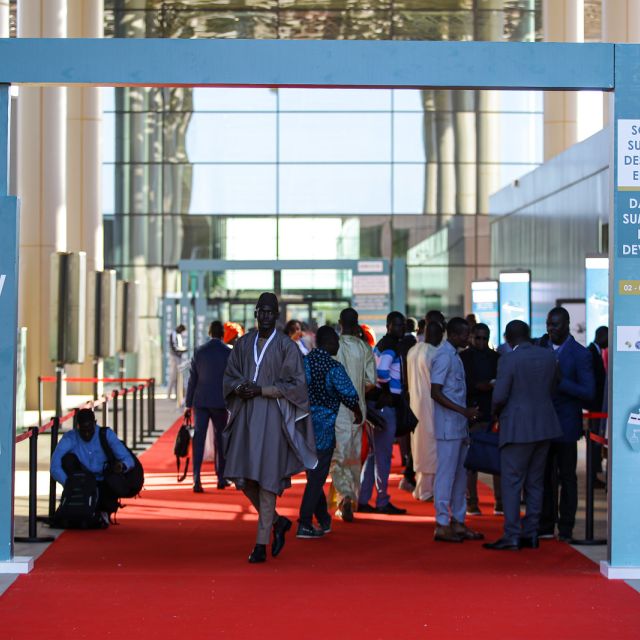
DFS-1 (2014, Dakar): Dakar ignited PIDA PAP1: 16 projects showcased and the Service Delivery Mechanism (SDM) launched to strengthen early-stage preparation and bankability.
DFS-1 (2014, Dakar): Dakar ignited PIDA PAP1: 16 projects showcased and the Service Delivery Mechanism (SDM) launched to strengthen early-stage preparation and bankability.

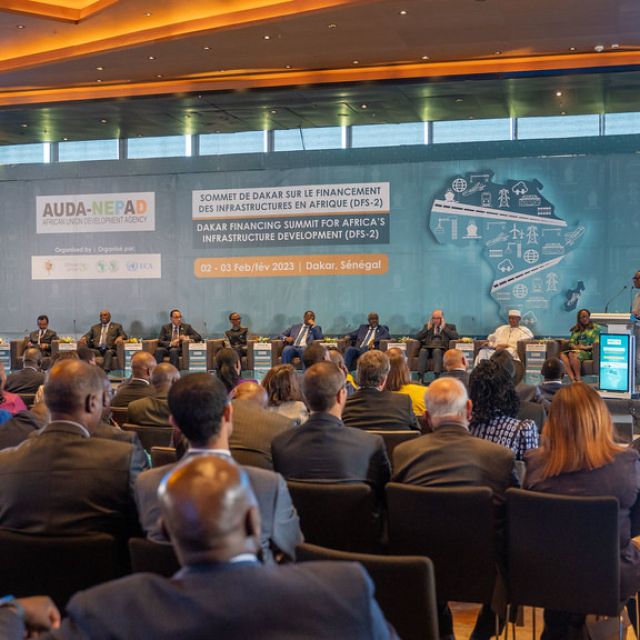
DFS-2 (2023, Dakar): Ambition scaled under PIDA PAP2: a 69-project, US$160bn pipeline; US$65bn of investment interest; corridor approach adopted and the Dakar Declaration aligning partners.
DFS-2 (2023, Dakar): Ambition scaled under PIDA PAP2: a 69-project, US$160bn pipeline; US$65bn of investment interest; corridor approach adopted and the Dakar Declaration aligning partners.

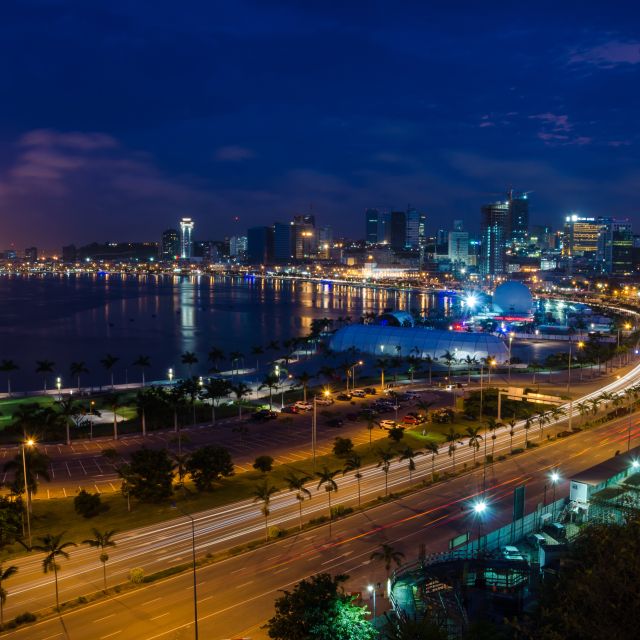
LFS (2025, Luanda): From preparation to delivery: Luanda scales the SDM and PIDA Quality Label, broadens blended finance, and spotlights MSMEs in the Infrastructure Marketplace.

LFS (2025, Luanda): From preparation to delivery: Luanda scales the SDM and PIDA Quality Label, broadens blended finance, and spotlights MSMEs in the Infrastructure Marketplace.

Planning and Coordination

The summits have been underpinned by strong coordination among African institutions and their partners. The African Union Commission, AUDA-NEPAD, the AfDB, and regional economic communities have worked together to align national pipelines with continental priorities.

The adoption of PIDA PAP 2 in 2021 reflected this coordinated planning. By applying the integrated corridor approach, PAP 2 ensures that infrastructure development maximises impact by linking sectors and regions. To support its implementation, AUDA-NEPAD introduced the SDM, which helps projects overcome preparation bottlenecks, and the PIDA Quality Label, which assures investors of quality and readiness. These mechanisms continue to strengthen Africa’s credibility in the global investment arena.

Engagement with Partners and Stakeholders

Engagement has been a defining feature of the Road to LFS. Governments and regional economic communities have presented priority corridors and projects, aligning them with the broader goals of continental integration. Investors and development finance institutions have been actively involved through structured boardroom sessions, which at DFS-2 alone generated investment interest worth US$65 billion.

The private sector has also been given visibility, particularly through the Infrastructure Marketplace, which allows MSMEs and startups to connect with financiers and partners. Development partners have contributed advisory expertise and de-risking instruments, reinforcing investor confidence in Africa’s infrastructure pipeline

Achievements So Far

The progress made since the first Dakar summit demonstrates the impact of these mechanisms. DFS-1 gave priority projects visibility, which directly helped move several to financial close or construction. DFS-2 went further by embedding system-wide improvements in project preparation and coordination. Its achievements include:

  • Mobilisation of US$65 billion in investment interest.
  • Broad international participation (70 countries, 915 participants).
  • Adoption of the integrated corridor approach.
  • Roll-out of the SDM and PIDA Quality Label, which raised the quality of project pipelines.

These achievements show that the summits have not been one-off events but building blocks of a more robust infrastructure financing ecosystem in Africa.

Looking Ahead to LFS

The Luanda Financing Summit is the next step in this journey. It will:

  • Scale up the application of the SDM and Quality Label to ensure that more projects are finance-ready.
  • Broaden access to blended finance and innovative instruments.
  • Strengthen the role of MSMEs and startups in shaping Africa’s infrastructure future.
  • Focus on turning preparation into tangible delivery, ensuring that projects translate into roads, power lines, ports, and digital networks that transform economies and communities.

LFS represents continuity with innovation. It will consolidate the progress achieved in Dakar and accelerate Africa’s infrastructure transformation at greater speed and scale.